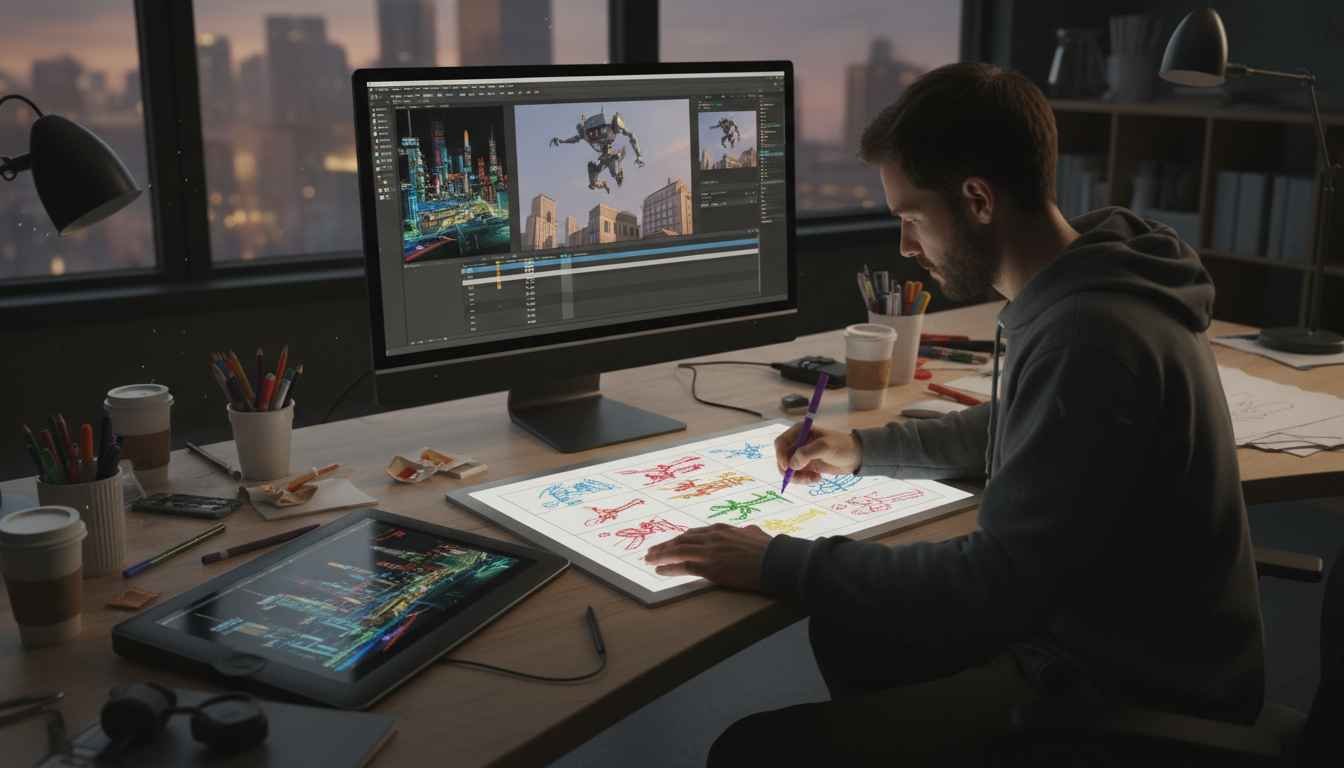
In the fast-paced world of digital media, motion graphics have become the heartbeat of storytelling. From captivating social media posts to dynamic television commercials, the demand for skilled motion graphics designers is soaring. If you’re aiming to carve out a niche in this vibrant field, now is the perfect time to hone your skills and elevate your craft. The world is watching, and opportunities are knocking.
1. Master the Essential Software Tools
Every motion graphics designer’s journey begins with mastering the right tools. Industry-standard software like Adobe After Effects, Cinema 4D, and Adobe Illustrator are indispensable for creating professional-quality animations. These tools offer a plethora of features that allow designers to bring their creative visions to life. However, it’s not just about knowing how to use these programs; it’s about understanding their intricacies and leveraging them to produce seamless animations. As the digital landscape evolves, staying updated with the latest software versions and features is crucial to remain competitive in the field.
2. Understand the Core Principles of Animation
Animation is more than just movement; it’s about conveying emotion and storytelling through motion. Understanding the fundamental principles of animation – such as timing, spacing, anticipation, and easing – is vital. These principles ensure that your animations are not only visually appealing but also emotionally resonant. For instance, a slight delay before an object moves can create a sense of anticipation, engaging the viewer’s emotions. Mastery of these principles allows designers to craft animations that are both technically sound and artistically compelling.
3. Develop a Strong Sense of Timing and Rhythm
In motion graphics, timing is everything. The rhythm of your animations can significantly impact the viewer’s experience. Whether it’s syncing animations to music beats or ensuring smooth transitions between scenes, a keen sense of timing can make your work stand out. Practicing with different rhythms and tempos can help you develop this skill. Additionally, studying animations from various sources can provide insights into effective timing techniques and inspire your own creations.
4. Build a Diverse Portfolio
Your portfolio is your gateway to potential clients and employers. A diverse portfolio showcasing a range of styles and projects demonstrates your versatility and ability to adapt to different creative briefs. Include a variety of work, from explainer videos to title sequences, to highlight your skills. Ensure that each piece in your portfolio reflects your best work and showcases your unique style. A well-curated portfolio can set you apart in the competitive world of motion graphics design.
5. Stay Updated with Industry Trends
The world of motion graphics is ever-evolving, with new trends and technologies emerging regularly. Staying updated with these developments is essential to keep your work relevant and innovative. Follow industry blogs, attend webinars, and participate in online communities to stay informed. Engaging with the motion graphics community allows you to exchange ideas, learn from peers, and incorporate new techniques into your work. Embracing new trends can also open doors to exciting opportunities and collaborations.
6. Collaborate with Other Creatives
Collaboration is at the heart of many successful motion graphics projects. Working with other creatives, such as illustrators, sound designers, and writers, can enhance the quality of your work and provide new perspectives. Collaboration fosters a creative environment where ideas can flourish, leading to innovative solutions and unique designs. Building a network of professionals in related fields can also lead to referrals and new project opportunities, expanding your reach in the industry.
7. Seek Constructive Feedback
Receiving feedback is crucial for growth. Constructive criticism helps you identify areas for improvement and refine your skills. Share your work with peers, mentors, or online communities and be open to their insights. Embrace feedback as a tool for development, not as a personal critique. Regularly seeking feedback ensures that you are continually evolving and improving as a motion graphics designer, keeping your work fresh and engaging.
8. Practice Consistently
Like any skill, proficiency in motion graphics comes with consistent practice. Dedicate time each day or week to work on personal projects, experiment with new techniques, and refine your skills. The more you practice, the more confident and proficient you become. Regular practice allows you to explore different styles, troubleshoot challenges, and develop your unique voice as a designer. Consistency is key to mastering the art of motion graphics.
9. Understand the Importance of Storytelling
At its core, motion graphics is about telling a story. Whether it’s conveying a brand message or explaining a complex concept, effective storytelling is essential. Focus on creating narratives that resonate with your audience, using visuals, sound, and timing to enhance the message. A compelling story can captivate viewers and leave a lasting impression. Understanding the principles of storytelling enables you to craft animations that are not only visually stunning but also meaningful and impactful.
10. Explore Educational Opportunities
Investing in your education can accelerate your growth as a motion graphics designer. Enroll in online courses, attend workshops, or pursue formal education to deepen your knowledge and skills. Platforms like Noble Desktop offer classes that cover various aspects of motion graphics design, from basic principles to advanced techniques. Formal education provides structured learning and access to industry experts who can guide you on your journey. Additionally, obtaining certifications can enhance your credibility and make you more attractive to potential employers or clients.
As you embark on your journey to master motion graphics, remember that the world is full of opportunities waiting for your unique touch. The demand for skilled motion graphics designers is on the rise, and with dedication and continuous learning, you can position yourself at the forefront of this dynamic field. Start today, and let your creativity shine.
If you are looking to enhance your multimedia projects, consider the insights from our Outdoor Education Laboratory that emphasize the importance of storyboarding in planning and execution.