In today’s fast-paced world, where attention spans are dwindling and time is a luxury, traditional learning methods often fall short. Enter microlearning – a revolutionary approach that delivers content in small, digestible chunks, ensuring better retention and engagement. But how do you design microlearning modules that are not only bite-sized but also highly effective? Let’s delve into the strategies that can make your microlearning initiatives stand out.
1. Focus on a Single Learning Objective
One of the cardinal rules of microlearning is to center each module around a single, clear learning objective. Attempting to cover multiple topics in one short session can overwhelm learners and dilute the effectiveness of the content. By narrowing the focus, you ensure that learners can grasp and retain the information more efficiently. For instance, instead of a broad module on “Effective Communication,” break it down into specific topics like “Active Listening Techniques” or “Non-Verbal Communication Cues.” This targeted approach enhances clarity and improves learning outcomes.
2. Keep It Short and Sweet
Microlearning thrives on brevity. Modules should be concise, typically ranging from 3 to 10 minutes. This duration aligns with the average attention span and allows learners to consume content without feeling fatigued. Shorter sessions also make it easier to fit learning into busy schedules, increasing the likelihood of completion. For example, a quick 5-minute video on “Time Management Tips” can be more effective than a 30-minute lecture on the same topic, as it respects the learner’s time and delivers focused content.
3. Utilize Engaging Visuals
Humans are visual creatures. Incorporating engaging visuals such as infographics, charts, and images can significantly enhance the learning experience. Visuals not only break up text but also aid in the retention of information by providing context and making abstract concepts more tangible. For instance, a flowchart illustrating the steps of a process can be more memorable than a written description. Ensure that the visuals are relevant, high-quality, and complement the content to maximize their impact.
4. Incorporate Interactive Elements
Passive learning can lead to disengagement. To combat this, integrate interactive elements like quizzes, polls, and clickable scenarios into your microlearning modules. These activities encourage active participation, reinforce learning, and provide immediate feedback to learners. For example, after a module on “Customer Service Best Practices,” include a short quiz to test understanding and reinforce key points. Interactive elements make the learning process more dynamic and enjoyable, increasing retention rates.
5. Make It Accessible Anytime, Anywhere
In the digital age, learners expect to access content on-demand, across various devices. Designing microlearning modules that are mobile-friendly and compatible with different platforms ensures that learners can engage with the material whenever and wherever it suits them. This flexibility caters to diverse learning environments and preferences, making learning more inclusive. For instance, a mobile-optimized module on “Stress Management Techniques” allows learners to access the content during their commute or lunch break, fitting seamlessly into their daily routines.
6. Align Content with Real-World Applications
To enhance the relevance of microlearning, align the content with real-world applications. Learners are more likely to engage with material that they perceive as directly applicable to their personal or professional lives. For example, a module on “Conflict Resolution Strategies” can include scenarios that learners might encounter in their workplace, allowing them to see the practical value of the content. By bridging the gap between theory and practice, you increase the likelihood of learners applying the knowledge gained in real-life situations.
7. Provide Opportunities for Social Learning
Learning doesn’t have to be a solitary activity. Incorporating opportunities for social learning, such as discussion forums, group activities, and peer reviews, can enhance engagement and deepen understanding. Social learning fosters collaboration, allows learners to share diverse perspectives, and builds a sense of community. For instance, after completing a module on “Leadership Skills,” learners can participate in a forum to discuss how they plan to implement the strategies in their teams, facilitating knowledge sharing and support.
8. Offer Just-in-Time Learning
Just-in-time learning delivers content at the moment of need, allowing learners to acquire information precisely when they require it. This approach is particularly effective for skills that need to be applied immediately, such as troubleshooting a technical issue or handling a customer complaint. By providing quick access to relevant content, you empower learners to solve problems efficiently and effectively. For example, a searchable database of “Frequently Asked Questions” can serve as a valuable resource for learners seeking immediate answers to common queries.
9. Continuously Evaluate and Improve
The landscape of learning is ever-evolving, and so should your microlearning modules. Regularly evaluate the effectiveness of your content through learner feedback, performance metrics, and engagement analytics. This data-driven approach allows you to identify areas for improvement and make necessary adjustments to enhance the learning experience. For instance, if learners consistently struggle with a particular module, consider revising the content or delivery method to address their challenges. Continuous improvement ensures that your microlearning initiatives remain relevant and impactful.
10. Leverage Technology to Enhance Learning
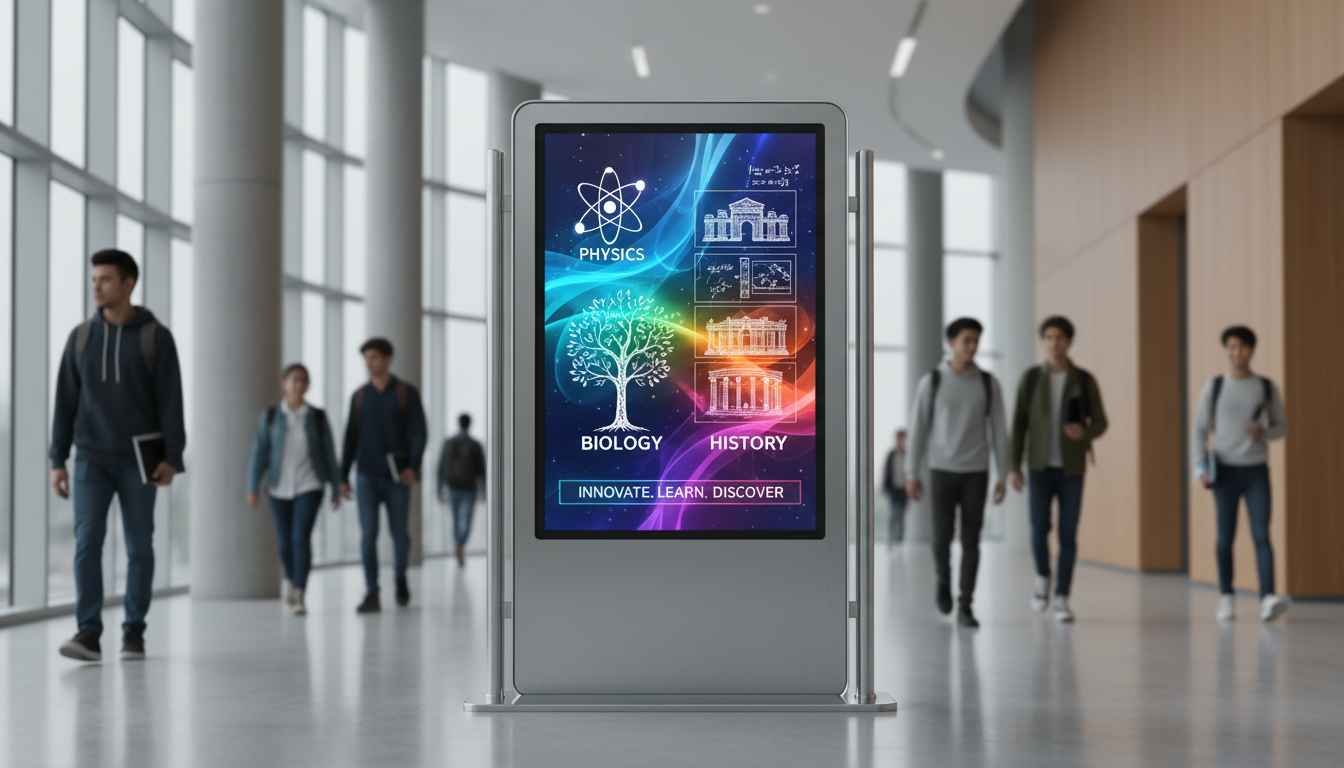
Advancements in technology offer numerous tools to enhance microlearning experiences. Learning Management Systems (LMS), mobile applications, and digital signage platforms can facilitate the delivery and tracking of microlearning content. For example, integrating digital signage in educational institutions allows for the display of real-time updates, announcements, and learning materials, creating an immersive learning environment. By leveraging technology, you can streamline the learning process, increase accessibility, and provide a more engaging experience for learners.
If you want to captivate your online learners, integrating interactive multimedia is essential; for practical strategies, explore our guide on Meta Title to boost engagement effectively.