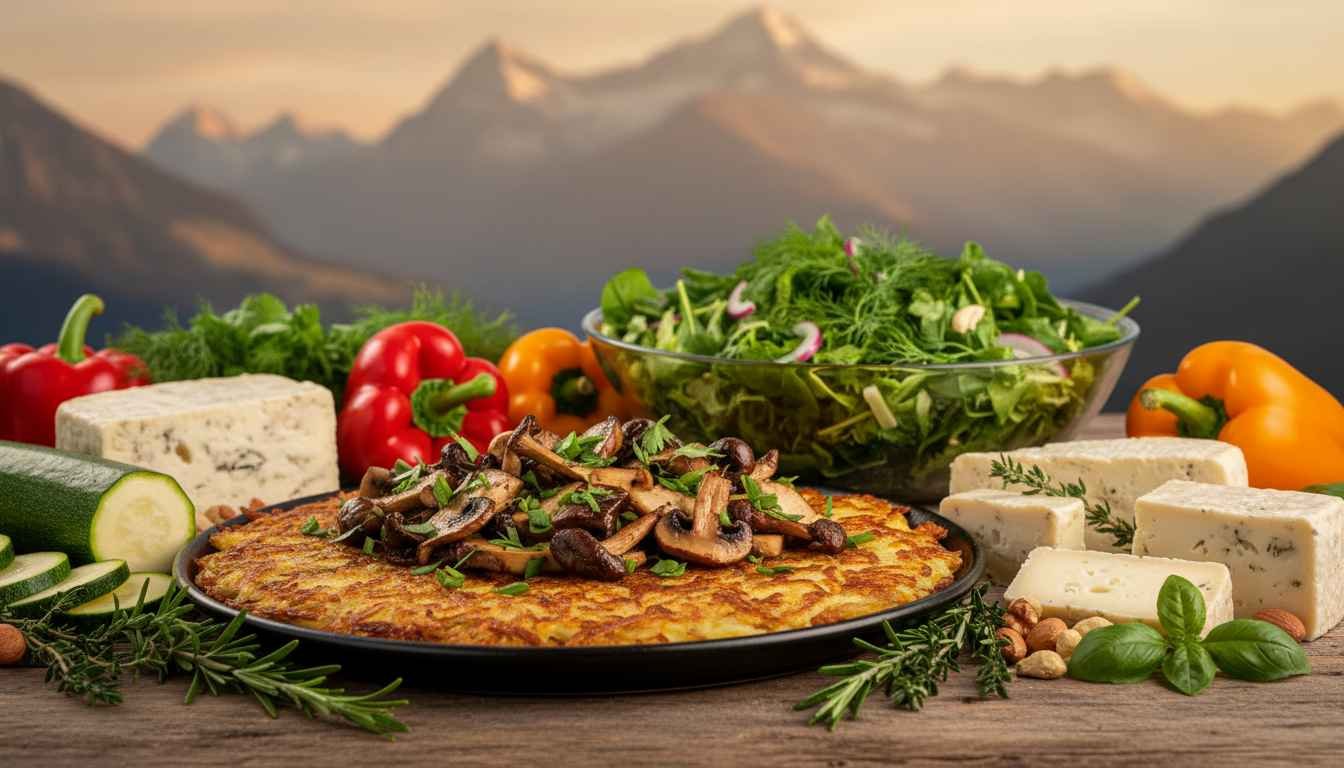
This is the guide I wish I had when I first explored the world of Swiss vegetarian food. Switzerland is often celebrated for its cheeses, chocolates, and hearty meat dishes, but beneath this popular perception lies a diverse and innovative vegetarian scene. From alpine-inspired dishes to modern urban creations, Swiss vegetarian food offers something for every palate, blending tradition with plant-based ingenuity.
Swiss cuisine might seem intimidating for vegetarians at first glance. Many classic recipes rely heavily on meat, such as Zürcher Geschnetzeltes or fondue with meat accompaniments. However, regional produce, rich dairy traditions, and culinary creativity have given rise to numerous vegetarian options that rival their meat-based counterparts. Whether you are in Zurich, Geneva, or a small mountain village, options exist that combine local flavors with plant-based nutrition.
The evolution of vegetarian cuisine in Switzerland has been significant over the past two decades. Restaurants and chefs increasingly embrace plant-based alternatives, incorporating local vegetables, legumes, and innovative dairy substitutes. Organic and locally sourced ingredients are central to this movement, reflecting Switzerland’s strong emphasis on sustainability and quality. For anyone looking to explore vegetarian Swiss food, it’s worth checking out local restaurants and specialty cafes, such as Double Happiness, which showcase creative vegetarian options alongside traditional flavors.
Ask Me Anything: Common Questions About Swiss Vegetarian Food
What Are Traditional Swiss Vegetarian Dishes?
Traditional Swiss vegetarian dishes often revolve around potatoes, cheese, and seasonal vegetables. Rösti, a crispy potato dish, is a staple that can be served with various toppings, including mushrooms, spinach, or herbs. Another favorite is Capuns, a dish of Swiss chard leaves stuffed with spätzle dough and sometimes cheese. Birchermüesli, a classic breakfast dish made from oats, fruit, and nuts, is entirely vegetarian and widely consumed across the country.
How Do Swiss Cheeses Fit Into Vegetarian Diets?
Switzerland is famous for its cheeses, from Emmental to Gruyère. While most cheeses are vegetarian-friendly, some are made using animal rennet. Fortunately, many artisanal producers now offer vegetarian alternatives. Cheese plays a central role in Swiss vegetarian cooking, especially in dishes like cheese fondue or gratins. Incorporating these cheeses provides protein and rich flavor without meat.
Are There Regional Variations?
Absolutely. The cuisine varies by region. In German-speaking areas, hearty vegetable stews and potato-based dishes dominate. In French-speaking cantons, you’ll find sophisticated vegetable tarts and creamy soups. Italian-speaking regions of Switzerland feature fresh pasta and risottos enriched with seasonal vegetables and local herbs. This regional diversity ensures that vegetarians can enjoy distinct flavors and textures wherever they travel in Switzerland.
How Do Restaurants Cater to Vegetarians?
Most modern Swiss restaurants are aware of vegetarian and vegan preferences. Menus often highlight plant-based dishes, and chefs are willing to adapt traditional recipes. Organic markets and specialty stores also provide fresh produce, plant-based dairy substitutes, and meat alternatives. Switzerland’s growing food-conscious culture makes it increasingly easy to find satisfying vegetarian meals in both cities and rural areas.
Pros & Cons of Swiss Vegetarian Food
✔ Fresh, high-quality local ingredients
✔ Diverse flavors influenced by multiple regional traditions
In recent years, the demand for inclusive dining options has transformed how we approach entertaining guests. With more people embracing dietary restrictions, such as veganism and gluten intolerance, it has become essential to offer a variety of dishes that cater to everyone’s needs. This shift has not only expanded our culinary horizons but also challenged traditional notions of party food. My journey into creating delicious and satisfying vegan gluten free party food has revolutionized my gatherings, making them more enjoyable for all. Join me as I share the recipes and ideas that have changed the way I host, proving that delicious food can be both fun and inclusive.
✔ Strong presence of dairy and cheese for added protein
✔ Increasing number of vegetarian-friendly restaurants
✘ Some traditional dishes are heavily meat-based
✘ Limited variety of plant-based protein sources in rural areas
✘ Dairy reliance may be a challenge for vegans
Potential Drawbacks to Consider
While Swiss vegetarian food is versatile and flavorful, it is not without limitations. Dining in smaller towns may present fewer options, requiring some planning ahead. Cheese-heavy dishes may not meet the nutritional needs of those seeking lower-fat or cholesterol-conscious meals. Additionally, for vegans, many traditional vegetarian dishes still contain dairy, making full plant-based adherence challenging without modifications.
Money-Back Perspective and Trust
Exploring Swiss vegetarian cuisine is largely low-risk. Even if a dish doesn’t match your taste preferences, the quality of ingredients and the care in preparation often make the meal enjoyable. Restaurants increasingly offer transparent menus and ingredient sourcing, so you can make informed choices. For travelers and locals alike, experimenting with new dishes is generally rewarding, with minimal downside beyond the occasional dish that doesn’t suit your palate.
Tips for Enjoying Swiss Vegetarian Food
1. Explore farmers’ markets and seasonal produce for fresh ingredients.
2. Ask chefs to modify traditional dishes to fit vegetarian preferences.
3. Try regional specialties like Rösti, Capuns, and vegetable gratins.
4. Seek out organic cafes and vegetarian-friendly restaurants in cities.
5. Balance cheese-heavy meals with legumes, grains, and vegetables to ensure nutritional variety.
Conclusion
Swiss vegetarian food offers an unexpected richness for those willing to explore beyond traditional meat dishes. From alpine specialties to urban vegetarian innovations, it combines local flavors, quality ingredients, and culinary creativity. While challenges exist, particularly for vegans and those in rural areas, the diversity and depth of vegetarian Swiss cuisine are growing. With thoughtful planning and an adventurous palate, anyone can enjoy the unique flavors of Switzerland without relying on meat.