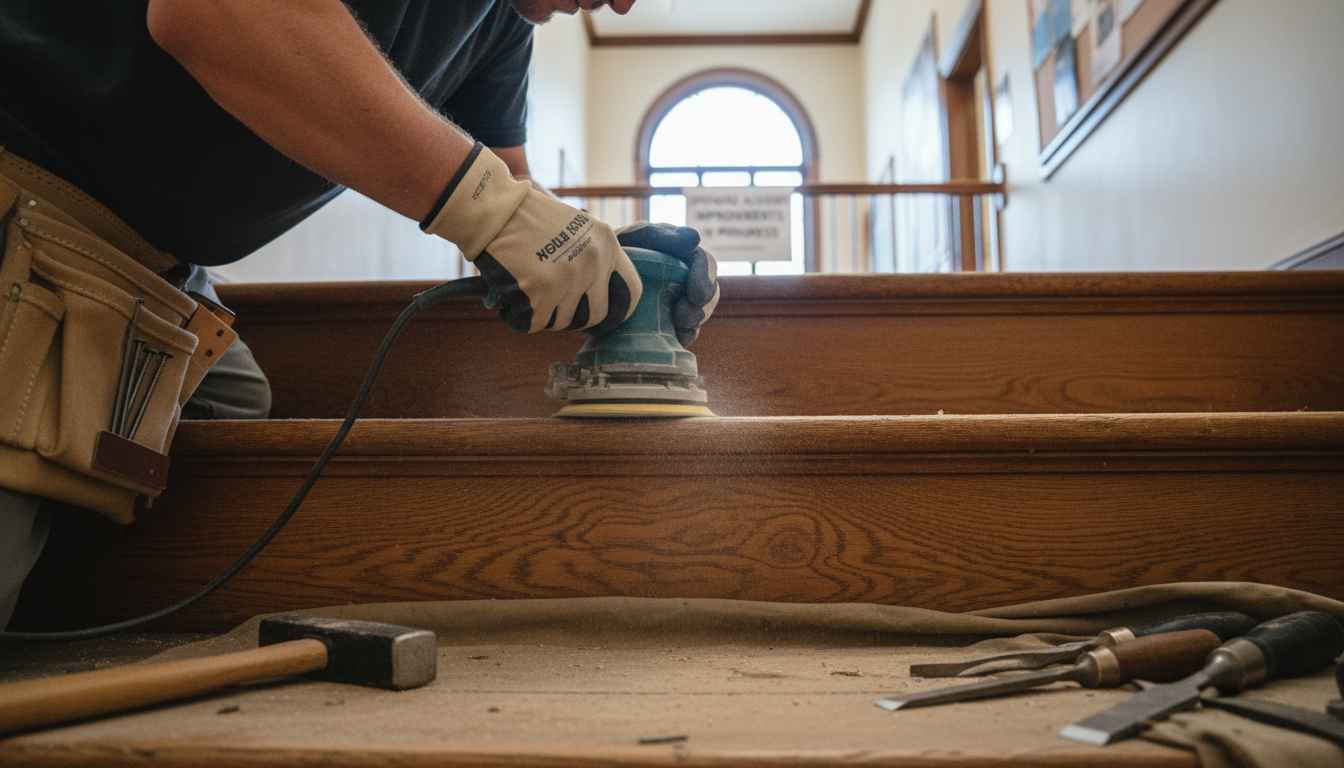
Imagine walking into your home and feeling an immediate sense of security and comfort. The floors are solid beneath your feet, the lighting is bright yet warm, and every corner serves its purpose efficiently. This isn’t a dream – it’s the result of thoughtful DIY repairs that enhance both safety and functionality. In today’s fast-paced world, taking control of your living space through practical home improvements isn’t just a luxury; it’s a necessity. With the right knowledge and tools, you can transform your home into a safer, more functional haven.
1. Reinforcing Structural Integrity: The Foundation of Safety
The foundation of your home is its backbone, bearing the weight of everything above. Over time, even the slightest shifts can lead to cracks and instability. Addressing these issues promptly is crucial. Start by inspecting the foundation for visible cracks or signs of movement. Small cracks can often be sealed with epoxy injections, which are readily available at most hardware stores. For larger issues, it may be necessary to consult with a structural engineer. However, maintaining a clean and dry foundation area can prevent many common problems. Ensure gutters are clear, downspouts direct water away from the foundation, and landscaping slopes away from the house. These simple steps can prevent water accumulation, which is a leading cause of foundation damage.
Neglecting foundation issues can lead to more severe problems, including uneven floors, doors and windows that don’t close properly, and in extreme cases, structural failure. By taking proactive measures, you not only preserve the integrity of your home but also save significant repair costs in the future. Remember, a solid foundation is the first step towards a safe and functional living space.
2. Electrical Safety: Preventing Hazards Before They Occur
Electrical issues are among the most dangerous hazards in the home, often leading to fires or electrocution. One of the most common problems is outdated or faulty wiring. If your home still uses aluminum wiring or has outlets that don’t hold plugs securely, it’s time to upgrade. Replacing old outlets with modern, tamper-resistant ones can prevent electrical shocks, especially in homes with young children. Additionally, installing circuit breakers that are appropriately rated for your home’s electrical load can prevent overheating and potential fires.
Another critical aspect is grounding. Ensuring that all outlets are properly grounded provides a safe path for electricity to follow in case of a fault. If you’re unsure about the grounding of your outlets, consider hiring a licensed electrician to inspect and upgrade your system. While DIY electrical work can be tempting, it’s essential to recognize when a task exceeds your skill level. Always prioritize safety and consult professionals when necessary. By addressing electrical issues promptly, you can significantly reduce the risk of electrical hazards in your home.
3. Plumbing Upgrades: Enhancing Functionality and Efficiency
Plumbing systems are the lifelines of your home, delivering water for daily activities and removing waste. Over time, pipes can corrode, leading to leaks and reduced water pressure. Replacing old galvanized pipes with modern materials like PEX or copper can improve water flow and prevent leaks. Installing low-flow fixtures in bathrooms and kitchens can reduce water usage without sacrificing performance, leading to lower utility bills and a more sustainable home.
Another area to consider is water filtration. Installing a whole-house water filter can improve the quality of your water, removing contaminants and providing cleaner water for drinking and bathing. Regular maintenance, such as checking for leaks under sinks and around toilets, can prevent water damage and mold growth. By investing in plumbing upgrades, you’re not only improving the functionality of your home but also enhancing its overall safety and efficiency.
4. Fire Safety: Implementing Preventative Measures
Fires can spread rapidly, and having the right precautions in place can make all the difference. Start by installing smoke detectors in every bedroom, hallway, and on every level of your home. Test them monthly and replace batteries at least once a year. Additionally, consider installing carbon monoxide detectors near sleeping areas and on each level of your home. These devices can alert you to dangerous gas levels before they become life-threatening.
Fire extinguishers are another essential safety tool. Keep them in easily accessible locations, such as the kitchen and garage. Ensure that all household members know how to use them properly. Regularly inspect fire extinguishers to ensure they are fully charged and ready for use. In areas prone to wildfires, creating defensible space around your home by clearing dead vegetation and maintaining a defensible perimeter can prevent fires from spreading to your property. By implementing these fire safety measures, you can protect your home and loved ones from potential fire hazards.
5. Home Security: Fortifying Entry Points
Securing your home begins with reinforcing entry points. Start with doors; solid core doors with deadbolt locks provide a strong barrier against intruders. Ensure that all exterior doors have peepholes or security cameras to allow you to see who’s outside before opening the door. Sliding glass doors are often vulnerable; installing a security bar or dowel in the track can prevent them from being forced open.
Windows should also be secured. Consider installing window locks or security film that makes glass harder to break. Motion-sensor lights around the perimeter of your home can deter intruders by illuminating dark areas. Additionally, trimming back shrubs and trees near windows removes hiding spots and improves visibility. By taking these steps to enhance home security, you can create a safer environment for yourself and your family.
6. Mold Prevention: Protecting Your Home from Hidden Dangers
Mold thrives in damp, poorly ventilated areas. Basements, attics, and bathrooms are particularly susceptible. To prevent mold growth, ensure that these areas are properly ventilated. Installing exhaust fans in bathrooms and kitchens can reduce moisture levels. In basements, using a dehumidifier can help maintain optimal humidity levels. Regularly inspect areas prone to moisture for signs of leaks or water damage.
If you discover mold, it’s essential to address it promptly. Small areas can often be cleaned with a mixture of water and detergent, but larger infestations may require professional remediation. Sealing cracks in walls and around windows can prevent water infiltration. By staying vigilant and addressing moisture issues promptly, you can protect your home from the damaging effects of mold.
7. Insulation and Ventilation: Enhancing Comfort and Efficiency
Proper insulation and ventilation are key to maintaining a comfortable and energy-efficient home. Insulating attics, walls, and floors can prevent heat loss during winter and keep your home cool in summer. This not only enhances comfort but also reduces energy bills. Ensure that insulation is installed correctly, with no gaps or compression, to maximize its effectiveness.
Ventilation is equally important. Inadequate ventilation can lead to moisture buildup, promoting mold growth and reducing indoor air quality. Installing vents in attics, crawl spaces, and bathrooms allows for proper airflow. Regularly cleaning vents and replacing filters in HVAC systems ensures that air circulates efficiently. By optimizing insulation and ventilation, you create a healthier and more comfortable living environment.
8. Smart Home Integration: Modernizing for Convenience and Efficiency
Integrating smart technology into your home can enhance both functionality and safety. Smart thermostats allow you to control your home’s temperature remotely, optimizing energy usage and comfort. Smart lighting systems can be programmed to turn on and off at specific times, enhancing security and convenience. Additionally, smart locks provide keyless entry and can be monitored remotely, adding an extra layer of security.
Other smart devices, such as leak detectors and smoke alarms, can alert you to potential issues before they become serious problems. Integrating these technologies into your home can provide peace of mind and streamline daily operations. As technology continues to advance, incorporating smart devices into your home becomes an increasingly practical and beneficial choice.