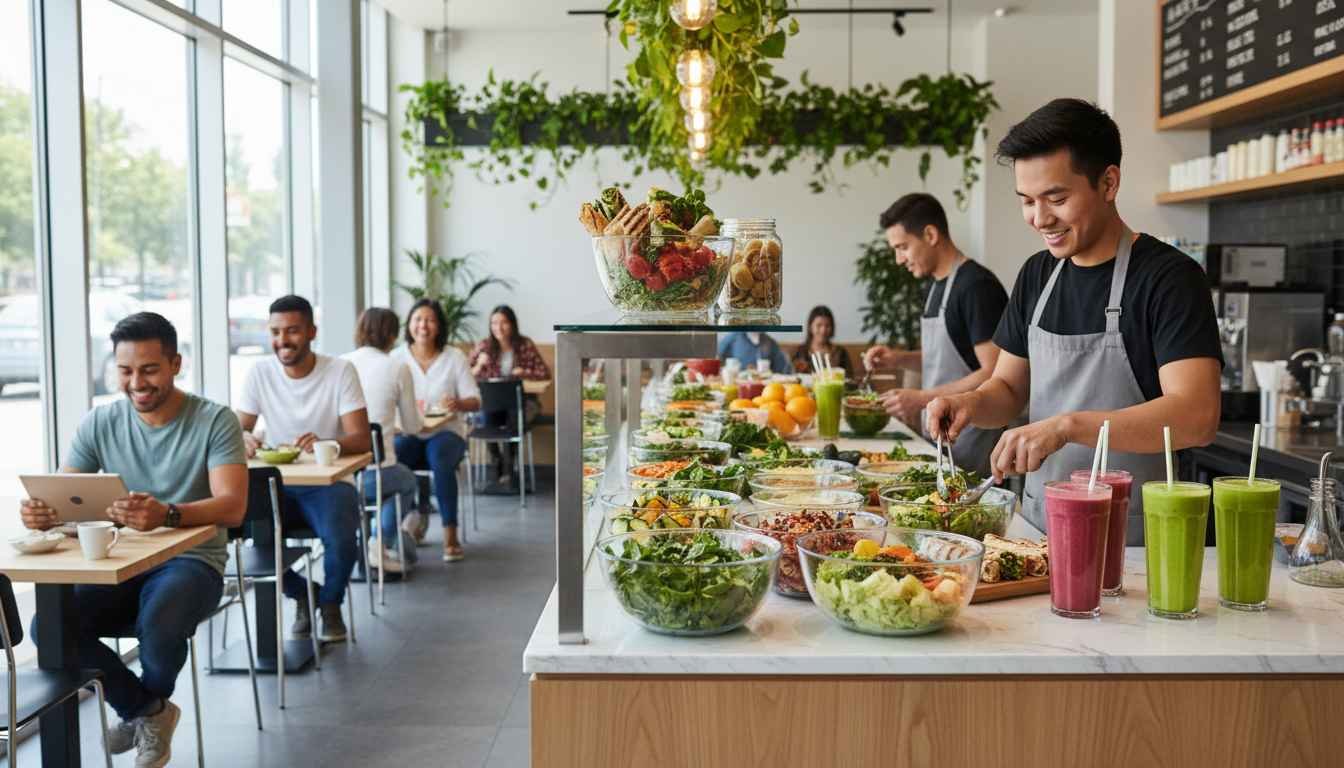
I was skeptical at first, but the rise of healthy fast food franchises has been impossible to ignore. For decades, the notion of “fast food” conjured images of greasy burgers and supersized fries, a diet trap for anyone trying to stay fit. Yet today, a new breed of entrepreneurial ventures is rewriting the rules, offering convenience without compromising nutritional value. This shift is not just a trend – it’s the culmination of decades of culinary innovation, changing consumer habits, and a growing awareness of the link between diet and long-term health.
The evolution of healthy fast food franchises is a story rooted in consumer dissatisfaction. In the late 1980s and 1990s, fast food chains began experimenting with salads, wraps, and low-fat options, often half-heartedly. These early attempts frequently fell short, leaving customers unimpressed and skeptical of their health claims. It wasn’t until the 2000s that franchises began to invest seriously in nutritious menus, clean ingredient sourcing, and chef-driven recipes designed for taste as well as health. This was a pivotal moment, demonstrating that convenience and wellness could coexist.
As I dug deeper into the market, I realized that successful franchises differentiate themselves not only through menu offerings but also by operational efficiency and brand trust. Companies like Gobble, for instance, have taken meal prep a step further, delivering freshly prepped ingredients that become full meals in just 15 minutes. Their model ensures freshness, flavor consistency, and flexibility – critical components for anyone looking to invest in a franchise that aligns with modern consumer expectations. Gobble is a prime example of this new wave, combining culinary expertise with logistical savvy.
The Historical Path to Healthy Fast Food
Tracing the timeline of healthy fast food reveals a gradual, sometimes rocky, transformation. The early 2000s marked the first serious shift, with chains introducing low-calorie alternatives and “lighter menu” options. The 2010s accelerated this trend, fueled by social media, fitness culture, and an increased demand for transparency in food sourcing. By mid-decade, franchises that emphasized organic, locally sourced, or plant-based ingredients began gaining traction. These pioneers proved that health-conscious options could be profitable without alienating traditional fast food consumers.
Crucially, these changes were backed by data. Market research in the United States showed that the demand for healthier options grew by double digits annually, with millennials and Gen Z leading the charge. Surveys indicated that consumers were willing to pay a premium for quality ingredients and quick, nutritious meals. This insight catalyzed investment in franchise models that emphasized both speed and health, opening doors for ambitious entrepreneurs willing to embrace the challenge.
Time and Cost Considerations
When exploring healthy fast food franchise opportunities, time and cost are essential factors. Initial investment ranges widely depending on brand recognition, location, and operational scale, typically starting from $150,000 for smaller, delivery-focused models to over $500,000 for established brick-and-mortar locations. Time commitment is equally variable: owners can expect 50–60 hours per week in the first year, gradually stabilizing as staff training and operational systems take hold. Factoring in marketing, supply chain management, and menu development is critical for realistic financial planning.
Methodology for Evaluating Franchise Opportunities
My approach to evaluating healthy fast food franchises combined market analysis, customer feedback, and operational assessment. I examined historical revenue growth, menu innovation, and brand reputation, alongside financial transparency and training support. This methodology allows prospective franchisees to differentiate between genuinely sustainable opportunities and ventures that rely on buzzwords like “organic” or “fresh” without operational depth. Only by scrutinizing these factors can investors make informed, risk-adjusted decisions.
Potential Drawbacks
Healthy fast food franchises are not without challenges. Ingredient sourcing can be expensive and subject to seasonal availability, which may affect menu consistency. Consumer trends are fickle; today’s health craze can become tomorrow’s nostalgia. Labor costs for skilled culinary staff may be higher, and delivery models require precise logistics to maintain freshness. Prospective franchisees should also consider the competition – established fast food giants and new boutique operators alike compete fiercely for market share. Understanding these drawbacks upfront is essential for anyone considering investment.
Who Should Consider Healthy Fast Food Franchises
Entrepreneurs who thrive in dynamic, consumer-driven markets, and who value quality control and innovation, are best suited for this space. Franchisees with experience in food service, supply chain management, or health-focused ventures can leverage their expertise effectively. Those seeking hands-off investments may find the operational demands too intensive, particularly in the critical early years when brand reputation and menu execution are most vulnerable. A clear understanding of market positioning, customer demographics, and operational requirements is key to long-term success.
The Future of Healthy Fast Food Franchises
Looking forward, the healthy fast food franchise landscape is poised for continued expansion. Technology-driven personalization, subscription meal services, and integrated delivery solutions are likely to become standard. Consumer preferences will continue to shift toward plant-based proteins, nutrient-dense offerings, and transparent sourcing practices. For investors, the opportunity lies in identifying brands that are nimble, data-informed, and committed to balancing convenience with nutritional integrity.
While my initial skepticism remains a cautious lens, the historical trajectory and current market realities suggest that healthy fast food franchises are more than a passing fad. They represent a meaningful evolution in how we eat, work, and invest, blending culinary innovation with entrepreneurial opportunity. For those willing to navigate the challenges, the rewards can be both financially and personally satisfying.