Choose your fighter. That’s the mindset you need when selecting festival entertainers because the wrong act can turn a crowd of excited festival-goers into a sea of disappointed faces. I’ve been there, thinking that booking the flashiest performer would guarantee applause. Spoiler: it didn’t. Nothing kills festival energy faster than a misjudged act, and after that experience, I learned the hard way about the importance of matching the right entertainer to the right crowd.
There’s a difference between festival entertainers who just fill time and those who actually elevate an event. From jugglers to live bands, aerialists to digital performers, the options are endless. But endless also means overwhelming. You can waste hours scrolling through portfolios and YouTube clips, or you can approach it with a strategy that saves you both time and money.
For me, the tipping point came when I decided to invest in a high-cost aerial troupe without verifying audience interest. The result? Half the crowd wandered off while the performers executed their stunning routines. Lesson learned: never assume what works in one festival will work in another. Demographics, location, and event type matter more than flashy social media followers.
Before diving into the types of entertainers, consider your audience. Family-friendly events need performers who are accessible and interactive. Adult-oriented music festivals might thrive with edgy acts or high-energy bands. And for mixed audiences, versatility is key. If your festival caters to multiple age groups, entertainers who can appeal broadly without alienating anyone are worth the extra planning.
This is also where technology has stepped in. Streaming local performers or live event feeds can supplement in-person acts, keeping your audience engaged between performances. Services like AirTV make it easier to broadcast local talent to festival screens or mobile devices, adding another layer of entertainment that doesn’t require additional stage time. It’s a mistake I wish I avoided by trying to cram too many live acts into the schedule without considering digital alternatives.
Types of Festival Entertainers
The options can feel infinite, but here’s a breakdown of the most effective categories:
Musicians and Bands
Live music is the heartbeat of most festivals. From local acoustic acts to nationally recognized bands, the choice depends on your budget and audience size. Keep in mind that even a smaller band can make a huge impact if they match the festival vibe. High-profile bands draw crowds, but local talent often delivers authentic energy that resonates more personally.
Performers and Street Acts
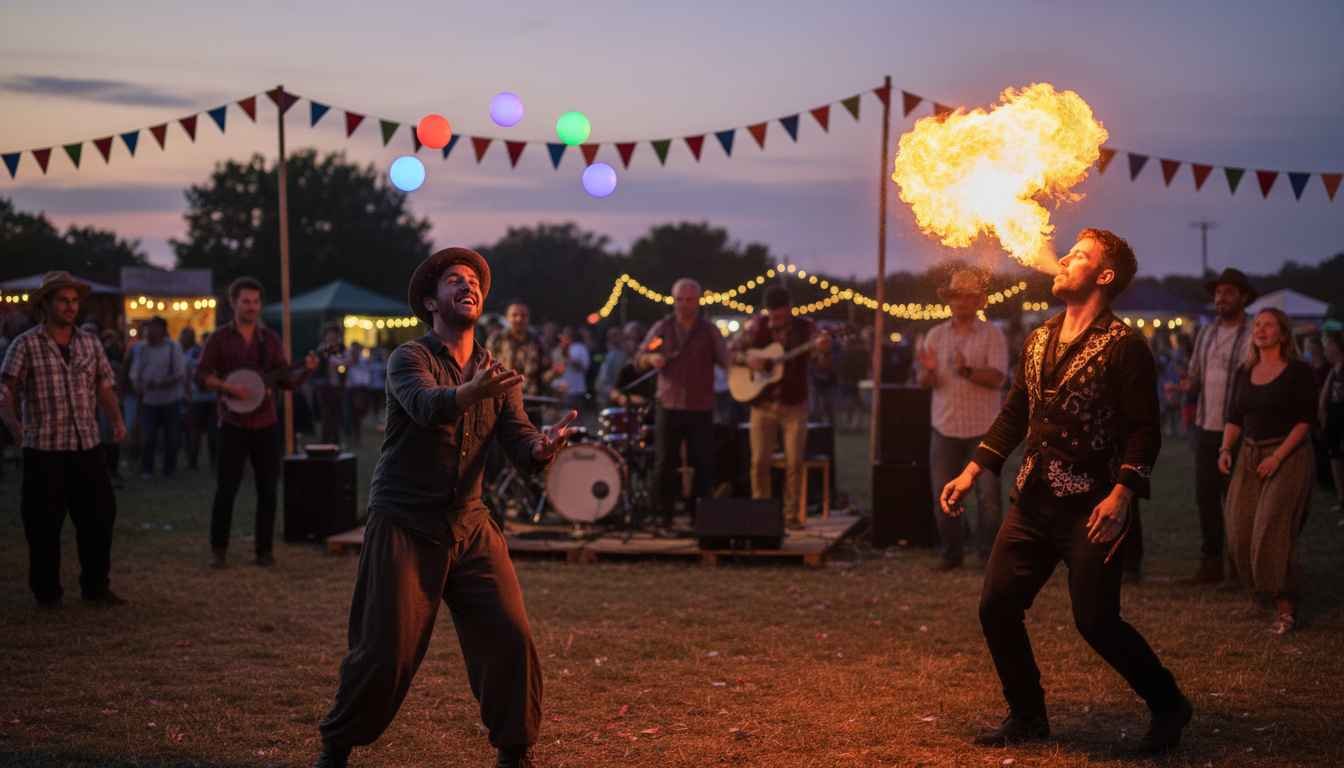
These include jugglers, magicians, acrobats, and other interactive acts. Their advantage is mobility – they can engage different areas simultaneously, creating pockets of excitement. The downside is they require space and safety precautions, something I learned after a fire dancer performance went a bit too close to the crowd. Trust me, insurance and planning are non-negotiable here.
Specialty and Niche Entertainers
These are acts like circus troupes, aerialists, or digital projection artists. They offer wow-factor moments but can be pricey and logistically complex. My advice: book these only after testing the audience’s taste. A high-energy aerial show might mesmerize some, but others might find it inaccessible or even intimidating.
Comparison Table: Product A vs Product B
| Aspect | Local Entertainers | National Acts |
|---|---|---|
| Cost | Lower, flexible | High, fixed fees |
| Audience Appeal | Authentic, community-driven | High recognition, broad draw |
| Flexibility | Adaptable to schedule and space | Less flexible, strict rider requirements |
| Risk | Lower, easier to manage | Higher, complex logistics |
| Uniqueness | Often original and niche | Proven popularity, less experimental |
Potential Drawbacks
Not every festival entertainer is right for every event. Budget constraints can limit choices, especially if you aim for high-profile performers. Logistical challenges, such as staging, sound requirements, and safety measures, can quickly escalate costs and planning complexity. Also, audience mismatch is a real danger – what excites one crowd can bore another. My own mistake was underestimating the need for audience research, assuming popularity alone would guarantee engagement. It didn’t.
Another consideration is timing. Entertainers can make or break the rhythm of your festival. Poorly scheduled performances, long gaps between acts, or clashing styles can diminish energy. Always draft a detailed schedule and build in buffer times to avoid downtime that kills momentum.
Who Should Avoid This
Festival entertainment isn’t for those looking for a casual weekend event. If you lack time, budget, or planning resources, it’s better to scale down. Similarly, DIY organizers without experience should be cautious with high-risk acts like fire performers, aerialists, or acts requiring complex technical setups. It’s easy to overshoot your capacity and end up with chaos instead of applause.
Final Thoughts
Festival entertainers are the lifeblood of an event, but picking the wrong one can be catastrophic. After years of trial and error, I’ve realized that success isn’t just about flashy acts or big names – it’s about understanding your audience, balancing cost, logistics, and energy flow, and sometimes integrating technology to fill gaps creatively. Use local talent, digital streaming, and niche performers thoughtfully, and your festival won’t just be an event – it’ll be an experience people remember.
Choosing festival entertainers requires a mix of research, intuition, and a willingness to make mistakes and learn. You’ll stumble, you’ll overspend, but with careful planning, the next festival you organize can be seamless, entertaining, and profitable. The key is preparation, audience insight, and knowing when to bring in the right fighter for your stage.