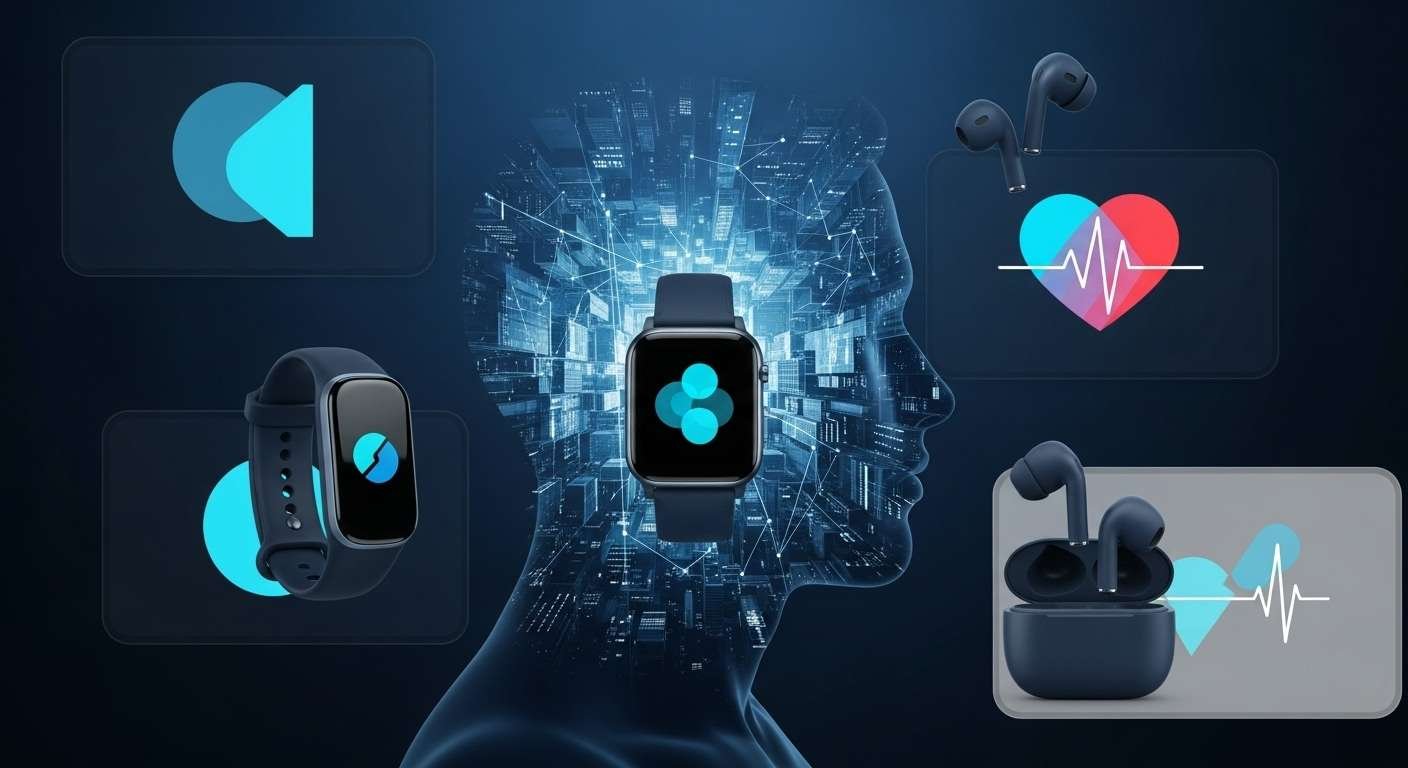
In the ever-evolving landscape of health and fitness, wearable technology has emerged as a transformative force, seamlessly integrating into our daily lives. These devices, ranging from smartwatches to fitness trackers, offer more than just timekeeping; they provide real-time insights into our health, motivating us to make informed decisions and lead healthier lifestyles. As we delve into the multifaceted benefits of wearables, it’s evident that embracing this technology is no longer optional – it’s essential for those striving to enhance their well-being and stay ahead in the fast-paced world.
The Rise of Wearable Technology: A Game Changer in Health Monitoring
Wearable technology has revolutionized the way we monitor our health. Gone are the days of relying solely on periodic doctor visits to assess our well-being. Today, devices like the Google Pixel Watch 4 and Amazfit Active 2 provide continuous, real-time data on various health metrics, including heart rate, sleep patterns, and physical activity levels. This constant stream of information empowers individuals to take proactive steps in managing their health, detecting potential issues early, and making informed decisions about their lifestyle choices.
For instance, the Google Pixel Watch 4, launched in October 2025, boasts advanced features such as dual-frequency GPS, satellite SOS messaging, and a far-field skin temperature monitor. These capabilities not only enhance fitness tracking but also offer critical health insights, ensuring users remain informed about their physical state at all times. Similarly, the Amazfit Active 2, available at a discounted price of $80.74, offers a bright OLED display, water resistance, and AI-powered tools like the Zepp Flow voice assistant, making it an affordable yet feature-rich option for health-conscious individuals.
The integration of such technology into everyday life signifies a paradigm shift in personal health management. No longer confined to medical facilities, health monitoring has become an accessible and continuous process, allowing individuals to stay connected to their well-being around the clock. This shift not only enhances individual health outcomes but also contributes to a broader societal movement towards preventive healthcare, reducing the burden on medical systems and promoting a culture of wellness.
Enhancing Fitness Goals with Wearable Devices
Achieving fitness goals has become more attainable with the advent of wearable devices. These gadgets serve as personal trainers on your wrist, offering tailored workout plans, tracking progress, and providing real-time feedback. The integration of AI and machine learning algorithms allows these devices to adapt to your fitness level, ensuring that the challenges they present are both achievable and effective.
Take, for example, the Garmin Venu 4, a health and fitness GPS smartwatch that offers bright, colorful displays and a plethora of fitness tracking features. Whether you’re running, cycling, swimming, or engaging in strength training, the Venu 4 provides detailed metrics to help you optimize your performance. The device’s ability to monitor various activities ensures that users can maintain a balanced fitness regimen, catering to diverse workout preferences and goals.
Moreover, the competitive edge provided by wearables extends beyond personal achievements. Many devices offer social features, allowing users to share their progress, participate in challenges, and engage with a community of like-minded individuals. This sense of camaraderie and competition can serve as a powerful motivator, pushing individuals to strive for excellence and stay committed to their fitness journeys.
Sleep Tracking: Unlocking the Secrets to Restorative Sleep
Quality sleep is foundational to overall health, yet many individuals struggle to achieve restful slumber. Wearable devices have introduced a new era in sleep tracking, offering insights into sleep stages, duration, and disturbances. Understanding these patterns enables users to make informed adjustments to their routines, fostering better sleep hygiene and, consequently, improved health outcomes.
The Google Pixel Watch 4, for instance, features an enhanced sleep-tracking system that provides detailed analyses of sleep quality. By monitoring factors such as heart rate variability and skin temperature, the device offers a comprehensive view of your sleep patterns, identifying areas for improvement. This data empowers users to implement changes that can lead to more restful and rejuvenating sleep.
Similarly, the Amazfit Active 2 includes advanced health monitoring features like continuous heart rate tracking and blood oxygen levels, which are crucial indicators of sleep quality. By analyzing these metrics, users can gain a deeper understanding of their sleep health and take proactive steps to enhance it. The integration of such features into wearable devices underscores the growing recognition of sleep’s critical role in overall well-being.
Real-Time Health Monitoring: A Step Towards Preventive Healthcare
Wearable devices have transcended their role as fitness trackers, evolving into comprehensive health monitoring tools. With capabilities to detect irregular heart rhythms, measure blood oxygen levels, and even monitor stress levels, these devices offer real-time insights into various health parameters. This continuous monitoring facilitates early detection of potential health issues, enabling timely intervention and reducing the risk of serious conditions.
For example, the Oura Ring, a sleek and discreet wearable, tracks metrics such as heart rate variability, body temperature, and respiratory rate. This data provides users with a holistic view of their health, allowing them to make informed decisions about their lifestyle and wellness practices. The integration of such advanced features into wearable technology signifies a shift towards a more personalized and proactive approach to healthcare.
Furthermore, the data collected by these devices can be shared with healthcare providers, fostering a collaborative approach to health management. This integration enhances communication between patients and providers, ensuring that care plans are tailored to individual needs and circumstances. The synergy between wearable technology and healthcare professionals exemplifies the potential of digital health tools in transforming traditional healthcare models.
Safety and Emergency Features: Peace of Mind at Your Fingertips
Beyond health and fitness tracking, wearable devices have incorporated safety features that provide users with peace of mind. Functions such as fall detection, emergency SOS alerts, and location tracking ensure that help is readily available in critical situations. These features are particularly beneficial for individuals with medical conditions, the elderly, or those who engage in high-risk activities.
The Garmin Fenix 8 Pro, for instance, is equipped with an SOS feature that can send distress signals along with location information to emergency contacts. This functionality is invaluable in outdoor adventures or situations where immediate assistance is necessary. The device’s robust design and comprehensive safety features make it a reliable companion for users seeking both performance and security.
Similarly, the Amazfit Active 2 offers an AI-powered Zepp Coach that provides personalized training and recovery insights. While primarily focused on fitness, the device’s integration of AI technology enhances its ability to adapt to users’ needs, promoting not only physical health but also mental well-being. The continuous evolution of wearable technology reflects the industry’s commitment to addressing diverse user requirements and enhancing overall quality of life.
Integration with Digital Ecosystems: Seamless Connectivity
Modern wearable devices are designed to integrate seamlessly with digital ecosystems, enhancing user experience through connectivity and synchronization. Whether it’s syncing with smartphones, smart home devices, or health applications, wearables facilitate a cohesive digital environment that streamlines daily tasks and health management.
The Google Pixel Watch 4 exemplifies this integration, offering features like smart replies, contextual notifications, and the ability to control smart home devices directly from the watch. This connectivity ensures that users remain informed and in control, even when their hands are occupied or when they’re on the move. The device’s compatibility with various platforms underscores the importance of interoperability in today’s tech-driven world.
Additionally, the integration of AI assistants, such as Google’s Gemini, into wearable devices enhances their functionality. These assistants provide voice-activated controls, personalized recommendations, and contextual awareness, making interactions more intuitive and efficient. The fusion of AI and wearable technology represents the next frontier in creating intelligent, responsive devices that adapt to users’ needs and preferences.
Affordability and Accessibility: Wearable Technology for All
While premium wearable devices offer advanced features, there are numerous affordable options that provide essential health and fitness tracking capabilities. The Amazfit Active 2, priced at $80.74 during Amazon’s Prime Big Deal Days, is a testament to the accessibility of wearable technology. Despite its budget-friendly price, it offers features like continuous heart rate tracking, blood oxygen monitoring, and AI-powered coaching, making it an excellent choice for individuals seeking to enhance their health without breaking the bank.
The availability of such devices ensures that wearable technology is accessible to a broader audience, promoting health and wellness across diverse demographics. By lowering the financial barrier, more individuals can benefit from the advantages of continuous health monitoring, leading to improved health outcomes and a more informed society.
Moreover, the widespread adoption of wearable technology contributes to a collective shift towards preventive healthcare. As more individuals engage with their health data, there’s a growing emphasis on lifestyle modifications and early interventions, reducing the reliance on reactive medical treatments. This cultural shift signifies a move towards a more proactive and sustainable approach to health and wellness.
Future Prospects: The Evolution of Wearable Technology
The future of wearable technology holds exciting possibilities, with advancements in AI, machine learning, and sensor technology paving the way for more sophisticated devices. Upcoming innovations include smart contact lenses, electronic tattoos, and advanced biosensors that promise to offer even more detailed insights into our health and well-being.
These developments aim to make health monitoring even more seamless and integrated into daily life. For instance, smart contact lenses could monitor glucose levels for diabetic patients, while electronic tattoos might track hydration levels or muscle activity. The potential applications of such technologies are vast, offering new avenues for personalized healthcare and wellness management.
As these technologies evolve, they will likely become more affordable and accessible, further democratizing health monitoring and empowering individuals to take control of their well-being. The continuous advancement of wearable technology signifies a commitment to innovation and improvement, ensuring that users have the tools they need to lead healthier, more informed lives.