In the fast-paced, hyper-connected world we inhabit today, the line between technology and daily life has blurred to the point of near invisibility. Wearable devices – once the realm of science fiction – have seamlessly integrated into our routines, transforming how we approach health, fitness, and productivity. These sleek, unobtrusive gadgets are not just accessories; they are powerful tools that monitor, motivate, and manage our well-being in real-time. If you’re not yet on board, you’re already falling behind.
The Health Revolution: Real-Time Monitoring at Your Fingertips
Imagine waking up to a device that has already tracked your sleep cycles, measured your heart rate variability, and assessed your stress levels – all while you were still in bed. This is the reality with today’s wearable health technology. Devices like the Oura Ring 4 and advanced smartwatches offer continuous monitoring of vital signs, providing insights that were once only available through clinical visits. These gadgets don’t just collect data; they analyze it, offering personalized recommendations to improve your health. Whether it’s suggesting a midday walk to reduce stress or alerting you to irregular heart rhythms, these devices empower you to take control of your health like never before.
Fitness Tracking: Turning Data into Motivation
Gone are the days of guessing whether your workout was effective. Wearables track every step, rep, and heartbeat, turning abstract fitness goals into tangible data. Studies have shown that individuals who use wearable fitness trackers are more likely to increase their physical activity levels, lose weight, and improve overall fitness. These devices provide real-time feedback, gamifying your fitness journey and keeping you engaged. Whether you’re aiming to hit 10,000 steps a day or improve your cardiovascular health, wearables offer the insights and motivation needed to achieve your goals.
Productivity Enhancement: The Smart Assistant on Your Wrist
In the realm of productivity, wearable devices are redefining how we manage our time and tasks. Smartwatches and fitness trackers not only keep you on schedule with reminders and calendar alerts but also monitor your physical activity to ensure you’re not neglecting your health amidst a busy workday. Features like stress tracking, guided breathing exercises, and posture alerts help maintain mental clarity and focus. By integrating these devices into your daily routine, you can enhance your efficiency, reduce burnout, and maintain a healthy work-life balance.
Educational Transformation: Wearables in the Classroom
Wearable technology is not confined to personal use; it’s making significant strides in education. Schools are adopting wearable devices to monitor student health, track attendance, and even enhance learning experiences. Devices equipped with sensors can detect signs of stress or fatigue, allowing educators to adjust teaching methods accordingly. Moreover, wearables facilitate immersive learning through augmented reality (AR) and virtual reality (VR) applications, providing students with interactive and engaging educational experiences. This integration of technology is revolutionizing traditional education, making learning more personalized and accessible.
Workplace Wellness: A New Era of Employee Health
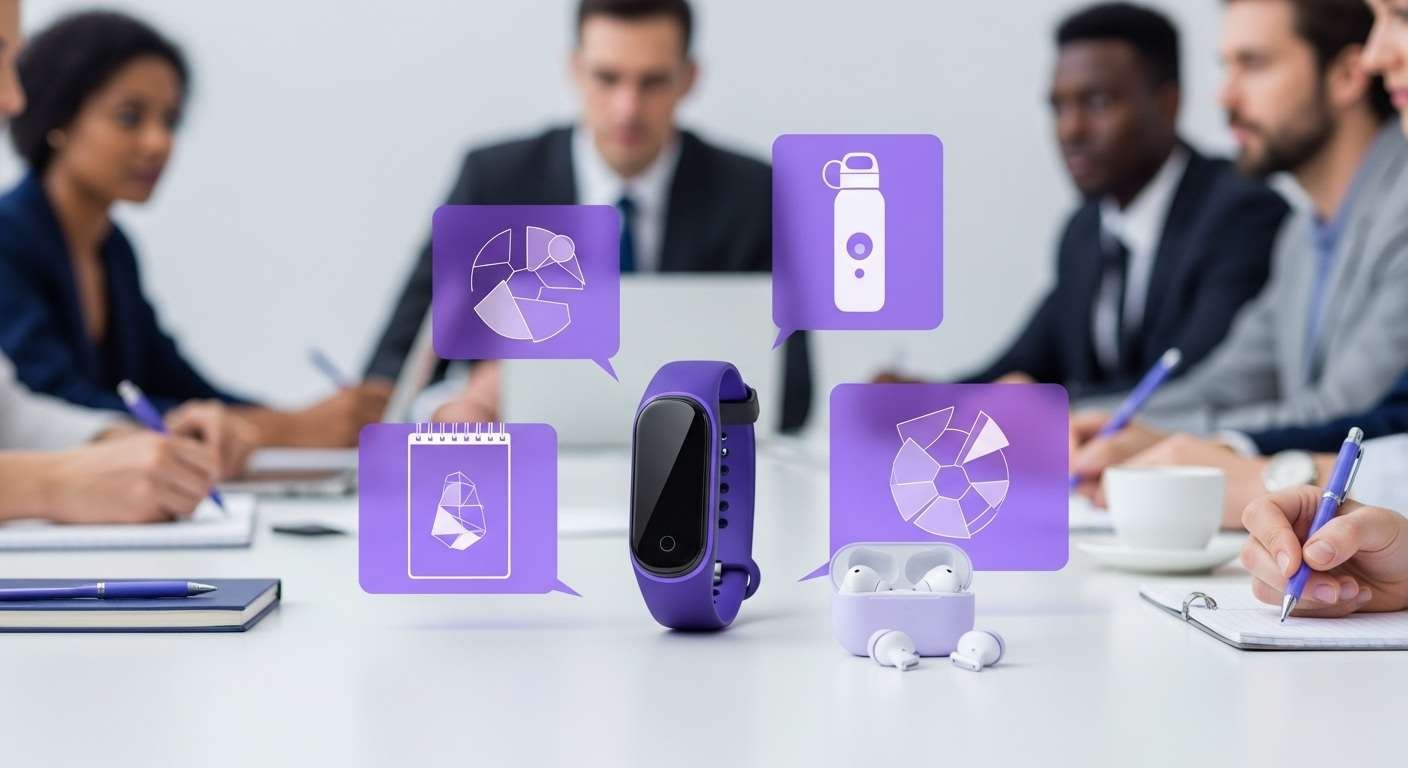
Employers are increasingly recognizing the value of wearable devices in promoting workplace wellness. By providing employees with fitness trackers and health-monitoring devices, companies can encourage healthier lifestyles, reduce healthcare costs, and improve overall productivity. These devices can track physical activity, monitor sleep patterns, and even detect early signs of health issues, allowing for timely interventions. As workplace wellness becomes a priority, wearable technology is playing a pivotal role in creating healthier, more engaged employees.
Data Security and Privacy: Navigating the Digital Health Landscape
With the wealth of personal health data collected by wearable devices, concerns about privacy and data security are paramount. Reputable manufacturers adhere to strict data protection regulations, ensuring that user information is encrypted and stored securely. However, it’s essential for users to be proactive in managing their data privacy settings, understanding the permissions granted to apps, and being cautious about sharing sensitive information. By staying informed and vigilant, users can enjoy the benefits of wearable technology while safeguarding their personal health data.
The Future of Wearables: What’s Next?
The evolution of wearable technology shows no signs of slowing down. Future advancements may include more sophisticated health monitoring capabilities, such as real-time glucose monitoring for diabetics, enhanced mental health tracking, and deeper integration with artificial intelligence to provide even more personalized health insights. As technology continues to advance, wearable devices will become even more integral to our daily lives, offering new ways to monitor and improve our health, fitness, and productivity. Staying ahead of these trends will ensure you remain at the forefront of this digital health revolution.
Conclusion: Embrace the Future Now
The integration of wearable devices into our daily lives is not just a trend; it’s a paradigm shift in how we approach health, fitness, and productivity. These devices offer unprecedented insights and control, empowering individuals to take charge of their well-being in ways previously unimaginable. The question is no longer whether you can afford to adopt wearable technology, but whether you can afford not to. As the future unfolds, those who embrace these innovations will lead the way in personal health management, while those who hesitate may find themselves left behind. Don’t wait for the future to catch up – embrace it now.